
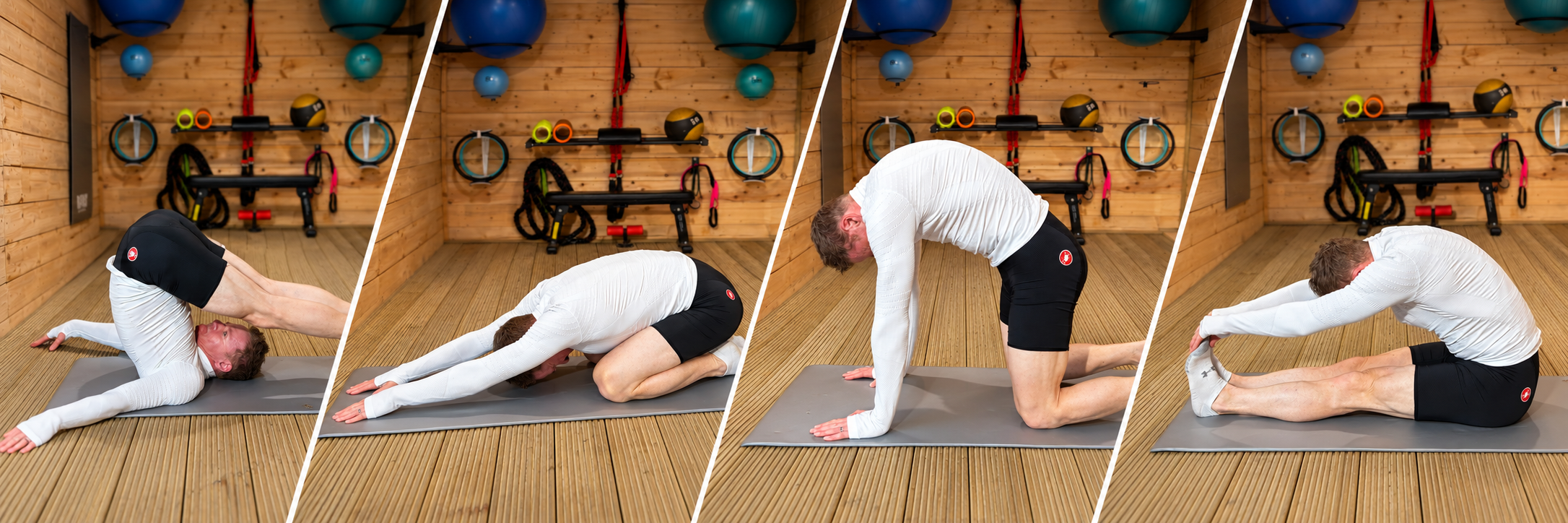
Flexibility vs Mobility
Flexibility and mobility are closely related, but they are not the same thing. Understanding the difference helps explain why effective mobility training involves much more than simply stretching.
FLEXIBILITY
Flexibility describes the range of motion available through a muscle or joint. Improvements are not simply about permanently changing muscle length.
- Influenced by stretch tolerance
- Can involve passive stretching
- Relates to available range of motion
- Can improve as the nervous system becomes more comfortable with greater range
MOBILITY
Mobility is the ability to actively move through and control a range of motion. It combines flexibility with strength, stability, coordination and movement control.
- Requires active control
- Uses strength through range
- Develops movement confidence
- Supports more usable movement for training, sport and everyday life
A Structured Approach to Better Movement
Mobility and flexibility training is about more than stretching. At PH Fitness, the approach combines range of motion, stretch tolerance, strength and movement control to help the body move more freely and confidently.
Review current movement, range of motion and areas that feel restricted or difficult.
Consider how the nervous system, stretch tolerance and movement confidence may influence flexibility.
Use controlled mobility, flexibility and strength-based exercises to develop usable movement.
Gradually improve range, control, strength and confidence as movement becomes more comfortable.
Why Is Flexibility & Mobility Training Important for Cyclists?
Riding in an aerodynamic position places very different demands on the body compared with normal everyday movement. Whether you are riding on the drops, completing a time trial or preparing for a longer endurance event, flexibility and mobility can have a major influence on how comfortably and efficiently you hold your position.
Cycling-specific flexibility and mobility training can help improve movement through the hips, lower back, shoulders and core. Better movement and control can make it easier to maintain an efficient riding position while supporting the transfer of power through the body and into the pedals.
A structured programme can also help develop mobility around the hips, joints and surrounding muscles while building strength through a more useful range of movement. The aim is not simply to stretch more, but to move better, maintain control and support your cycling performance.
With the correct exercises and coaching, flexibility and mobility work can become an important part of a complete cycling programme, alongside strength, conditioning and time on the bike.
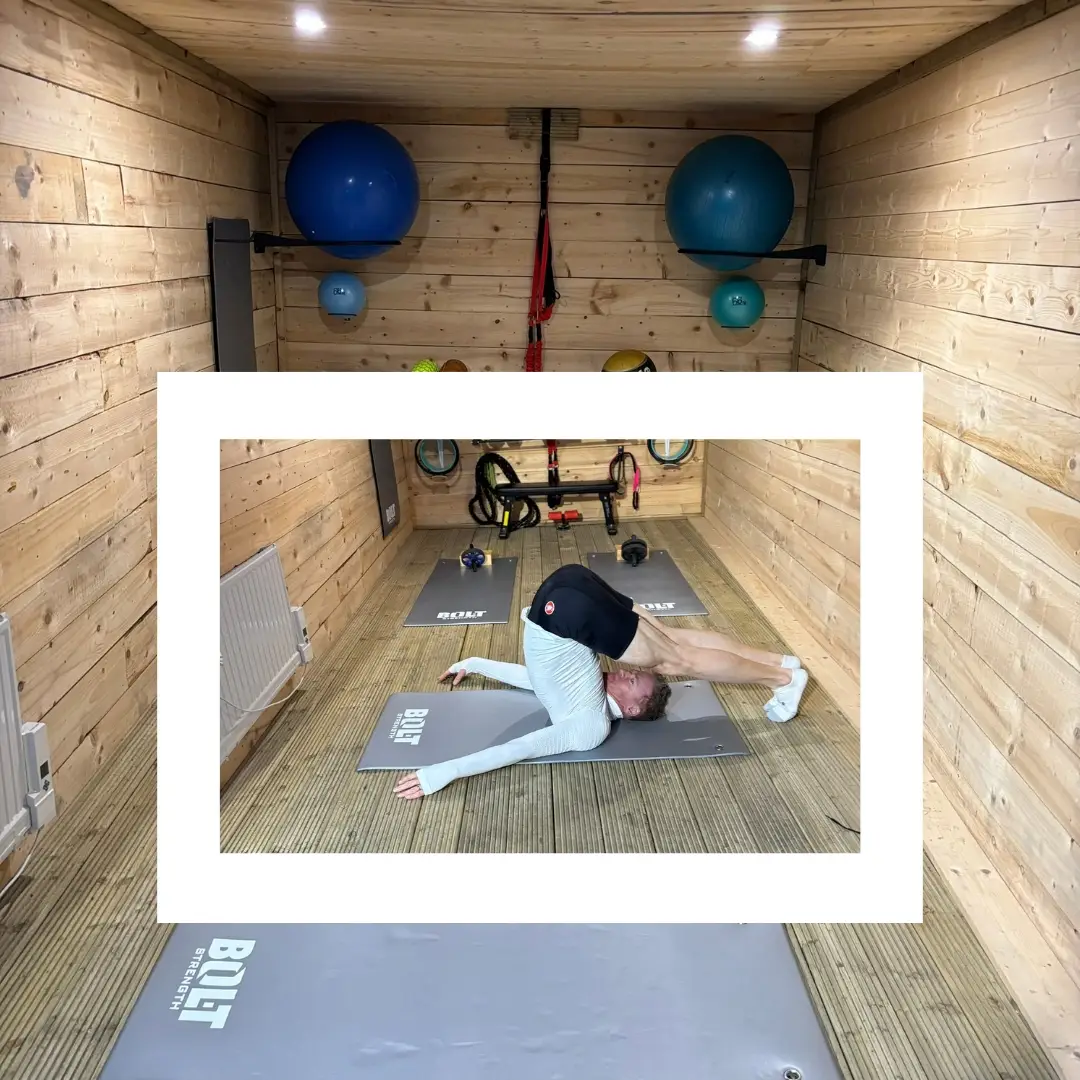
Build Better Movement for Everyday Life, Training & Sport
Mobility and flexibility training can help develop a greater range of motion, better movement control and improved confidence in how the body moves. The focus is not simply on stretching further, but on developing movement that is useful, controlled and appropriate for your individual goals.
Range of Motion
Gradually develop greater movement range through controlled flexibility, mobility and strength-based exercises.
Movement & Alignment
Improve awareness of how you move while developing better control, positioning and overall movement quality.
Strength Through Range
Combine flexibility with strength and stability so that new ranges of movement become more useful and controlled.
Movement Confidence
Reduce feelings of stiffness and develop greater confidence in everyday movement, exercise and physical activity.
More Than Just Stretching
Effective mobility training considers flexibility, stretch tolerance, strength, stability and the nervous system. Each element works together to help improve how comfortably and confidently you move.
Frequently Asked Questions
What you need to Know
What is the difference between flexibility and mobility?
Flexibility is the amount of movement available through a muscle or joint, while mobility is the ability to control that movement. Good mobility usually combines flexibility, strength, stability and coordination. At PH Fitness, the goal is to improve usable movement rather than simply increasing range.
Who is Flexibility & Mobility Coaching suitable for?
It can suit beginners, regular gym users, people over 40, cyclists, runners and anyone who feels stiff or restricted in everyday movement. Coaching is adapted to your current ability, so you do not need to be flexible before you start.
Can mobility training help with stiffness?
Yes. Mobility work can help improve movement around areas that feel tight or restricted, particularly when it is combined with controlled strength work. The focus is on moving more comfortably and confidently rather than forcing a stretch.
Is mobility training useful for strength training?
Yes. Better mobility can help you achieve stronger positions in exercises such as squats, hinges, presses and lunges. It can also improve control through a larger range of movement, which can make strength training more effective and better suited to your individual movement pattern.
Is Flexibility & Mobility Coaching useful for people over 40?
Yes. Maintaining movement quality becomes increasingly important as we get older. Structured mobility training can support everyday movement, balance, confidence, strength and flexibility, helping you stay active and move well over the long term.
Can cyclists benefit from mobility training?
Yes. Cyclists spend long periods in a fixed riding position, which can place demands on the hips, lower back, shoulders and upper spine. Mobility work can support a more comfortable riding position, better movement control and stronger overall cycling performance.
How often should I work on flexibility and mobility?
That depends on your goals, training routine and current movement. Some people benefit from short mobility sessions several times each week, while others may include mobility work within strength or personal training sessions. Consistency is more important than doing long sessions occasionally.
Do I need to stretch every day to improve mobility?
No. Stretching can be useful, but mobility is not only about stretching. Strength, control and movement through a useful range are also important. A good programme may include stretching, active mobility exercises and strength-based movements depending on what you need.